Skip to product information
1 of 4

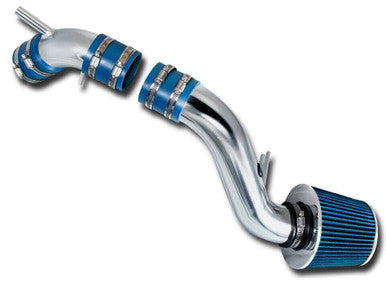
Cold Air Intake for Hyundai Elantra Base/GLS (1996-2000) 1.8L/2.0L Engines


Regular price $94.99
Sale price $94.99 Regular price
Free Shipping within USA.

  • Guaranteed Fitment
  • Performance Tested
  • Lifetime Warranty

Want it soon? Order within

I18n Error: Missing interpolation value "end_date" for "Ends on {{ end_date }}"

Elevate Your Drive: Cold Air Intake for Hyundai Elantra & Tiburon 1.8L/2.0L Beta I Engines

Who It’s For: Designed specifically for Hyundai Elantra (1996-2000) and Tiburon (1997-2001) owners running the potent 1.8L or 2.0L Beta I engine, whether you’re chasing improved daily driving dynamics or prepping for a weekend cruise.

The Problem: The factory airbox on your Beta I engine is a notorious bottleneck. It’s designed for quiet operation and cost-efficiency, not optimal airflow. This restrictive design often leads to heat soak, where hot engine bay air is drawn in, robbing your engine of power, especially during spirited driving or in warmer climates. You’re leaving horsepower and torque on the table that the Beta I is capable of producing.

The Solution: Our performance Cold Air Intake system is engineered to fundamentally address these factory limitations. By replacing the restrictive OEM airbox with a direct, high-flow path and positioning the filter to draw in cooler, denser ambient air, this intake maximizes volumetric efficiency. You’ll experience a noticeable boost in horsepower and torque, sharper throttle response, and a more aggressive engine note that perfectly complements the character of your Elantra or Tiburon.


Why This is the Ultimate Upgrade

  • Instant Performance Gains: Expect an immediate increase of up to 10% in both horsepower and torque. By feeding your engine cooler, denser air, this intake allows your Beta I to breathe more efficiently, translating directly into better acceleration and more usable power across the RPM range.
  • Superior Durability & Filtration: Crafted from lightweight, corrosion-resistant T304 aluminum piping, this intake is built to last. The included washable and reusable performance air filter offers exceptional filtration to protect your engine, requiring cleaning only every 50,000 miles under normal driving conditions, saving you money on disposable filters.
  • Effortless Installation & Perfect Fit: Engineered as a direct-fit replacement for your factory air filter and intake tube, installation is straightforward. With basic hand tools, most enthusiasts can complete the upgrade in less than 60 minutes, getting you back on the road and enjoying the benefits sooner. It’s also designed not to void your vehicle’s warranty.

Technical Specifications

Fitment 1996-2001 Hyundai Elantra & Tiburon
Engine Family 1.8L/2.0L Beta I Engine Family
Factory Ratings Approximately 130-140 HP and 122-133 lb-ft Torque (2.0L Beta I engine)
Part Numbers Not specified

Compatibility & OEM Reference

Fits the Following Vehicles:

  • 1996-2000 Hyundai Elantra 1.8L (Base/GLS)
  • 1996-2000 Hyundai Elantra 2.0L (Base/GLS)
  • 1997-2001 Hyundai Tiburon 2.0L (Base/FX)

Interchange Part Numbers:

Not specified


The Performance Promise

Buy with confidence. Backed by real automotive experts and fast shipping.


Engine Safety Rating
Difficulty 


Fitment

Make

Hyundai

Engine Size

  • 1.8L
  • 2.0L

Year

  • 1996
  • 1997
  • 1998
  • 1999
  • 2000

Installation & Tools

The Wrench Time

  • Estimated Time: 45-60 Minutes
  • Difficulty: 4/10 - Bolt-on installation, but extracting the factory hidden resonator from the fender requires some wrestling and patience.

Tools You Will Need

  • 10mm and 12mm sockets with a 6-inch or longer extension
  • 10mm open-end wrench
  • Phillips and Flathead screwdrivers
  • Panel popper tool (for fender liner clips)
  • Pliers (for factory spring clamps)
  • Electrical contact cleaner (safe for MAF sensors)
Mechanic’s Pro Tip (The "Gotcha"):
The J2 chassis Elantra community knows the Beta 1 engine suffers from two massive factory flaws: a heavily restrictive plastic resonator box buried in the driver-side fender, and a corrugated rubber intake tube that is universally cracked by now, causing hidden vacuum leaks and erratic idles. When removing the factory setup, be extremely delicate with the Mass Air Flow (MAF) sensor. The 20-year-old plastic sensor housing is brittle. Do not pry on it, and only clean it with dedicated electronics cleaner—never carb cleaner!

Phase 1: Removing the Factory Part

  1. Disconnect the Battery: Always start by disconnecting the negative battery terminal using a 10mm wrench to prevent check engine lights and protect the ECU on your 1996-2000 Hyundai Elantra 1.8L 2.0L.
  2. Unplug the Sensors: Locate the MAF sensor and Intake Air Temperature (IAT) sensor on the factory air tract. Gently depress the locking tabs and pull the harnesses free. Do not pull by the wires. Tuck them safely out of the way.
  3. Remove the Breather Hose: Use your pliers to squeeze the spring clamp on the valve cover breather hose and pull the hose off the valve cover port.
  4. Extract the Factory Airbox: Use a Phillips screwdriver or 10mm socket to loosen the hose clamp at the throttle body. Unbolt the three 10mm bolts securing the main airbox to the chassis and lift the entire upper assembly out of the engine bay.
  5. Defeat the Fender Resonator: Here is the J2 chassis headache. Use your panel popper to remove the front driver-side wheel well liner clips. Pull the plastic liner back to expose the massive factory resonator box. Remove the 12mm bolts holding it to the inner fender using your socket and extension, then wrestle the plastic resonator down and out of the vehicle.

Phase 2: Installing the Cold Air Intake for Hyundai Elantra Base/GLS (1996-2000) 1.8L/2.0L Engines

  1. Prep and Transfer the MAF: Carefully unbolt the factory MAF sensor from the old housing using a 10mm socket. Transfer it to the new intake tubing. Bolt it down securely, ensuring the directional airflow arrow on the sensor points directly toward the throttle body.
  2. Mount the Silicone Coupler: Slide the provided silicone coupler over the throttle body. Slide the worm-gear or T-bolt clamps over the coupler, then tighten the throttle body side using a 10mm deep socket or Flathead screwdriver. Leave the pipe side loose for now.
  3. Route the Cold Air Pipe: Guide the new intake pipe through the engine bay and down into the fender well void where the old resonator used to live. Slide the upper end into your silicone coupler.
  4. Secure the Bracket and Filter: Line up the welded vibration bracket on the pipe with the factory airbox mounting hole. Thread in the provided 10mm bolt but leave a little flex. Go into the wheel well, slide the high-flow cone filter onto the bottom of the pipe, and tighten the filter clamp firmly with an 8mm socket. Now, fully tighten the bracket bolt and upper coupler clamp.
  5. Reconnect and Relearn: Push the new supplied silicone breather hose onto the intake pipe and the valve cover. Click the MAF and IAT sensor harnesses back into place. Finally, reconnect the negative battery terminal with your 10mm wrench. On the very first startup, do not touch the gas pedal for at least 20 seconds so the Beta engine’s ECU can properly adjust to the increased airflow.

Disclaimer: This is a general guide provided for the 1996-2000 Hyundai Elantra 1.8L 2.0L. Always refer to your factory service manual for exact torque specifications and safety procedures.

Warranty

All products are backed by our Limited Lifetime Warranty. We stand by our quality. [See terms]

Cold Air Intake for Hyundai Elantra Base/GLS (1996-2000) 1.8L/2.0L Engines

$94.99